AI for architectural visualisation
AI in architectural visualization
Artificial intelligence is playing an increasingly important role in discussions about architectural visualization.
New tools, all emerging in the last two or three years, can now improve renderings, generate atmospheric and lighting suggestions, and facilitate certain aspects of visualization production.
And now that reason has prevailed, the fears that AI initially provoked have subsided, and predictions are becoming more rational, it’s worthwhile to review the processes and capabilities of these tools.
While impressively powerful, they cannot (yet) replace the work of a perspective artist on their own, and their best use remains within a pipeline capable of guaranteeing the accuracy, consistency, and quality of the renderings.
What does AI do?
There are no one-click solutions for obtaining a high-quality final image, so AI is primarily used for specific stages where its power truly makes a difference:
– Exploring different visual approaches very quickly
– Improving realism
– Increasing the level of detail in certain key areas
However, the available tools do not yet guarantee several aspects that are absolutely essential for producing high-quality images:
– Strict and precise adherence to the architectural model
– Consistency of the design across different views
– Management of modifications
– Understanding and highlighting the intent of the architectural drawing
AI for concept and atmosphere research
Certain tools are perfect for the visual research and preparation phases before image creation.
It’s possible to provide the AI with viewpoints and references in image form, as well as guide the results with written prompts.
These images cannot be used as final renderings, but they are invaluable for art direction and can generate further discussions that can validate or prompt significant changes.
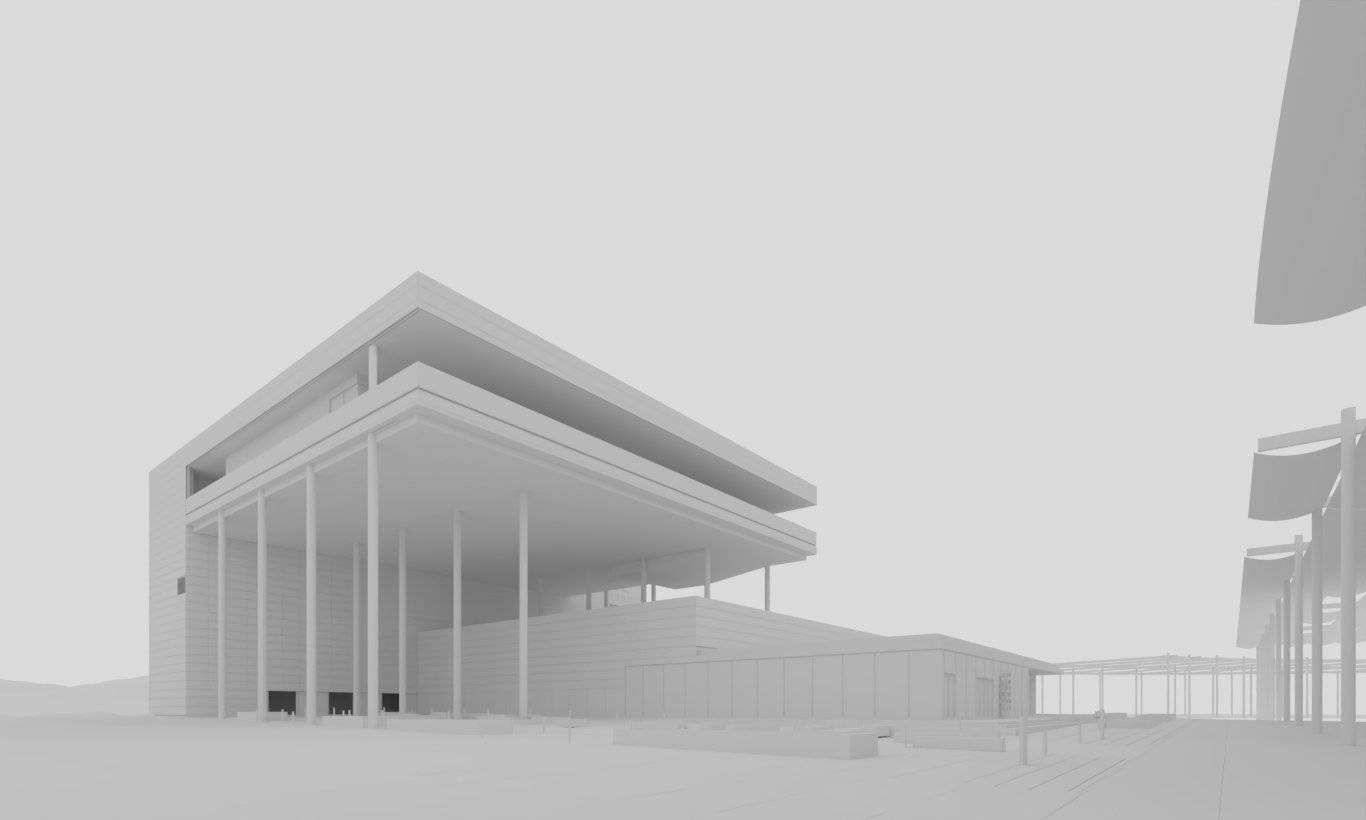
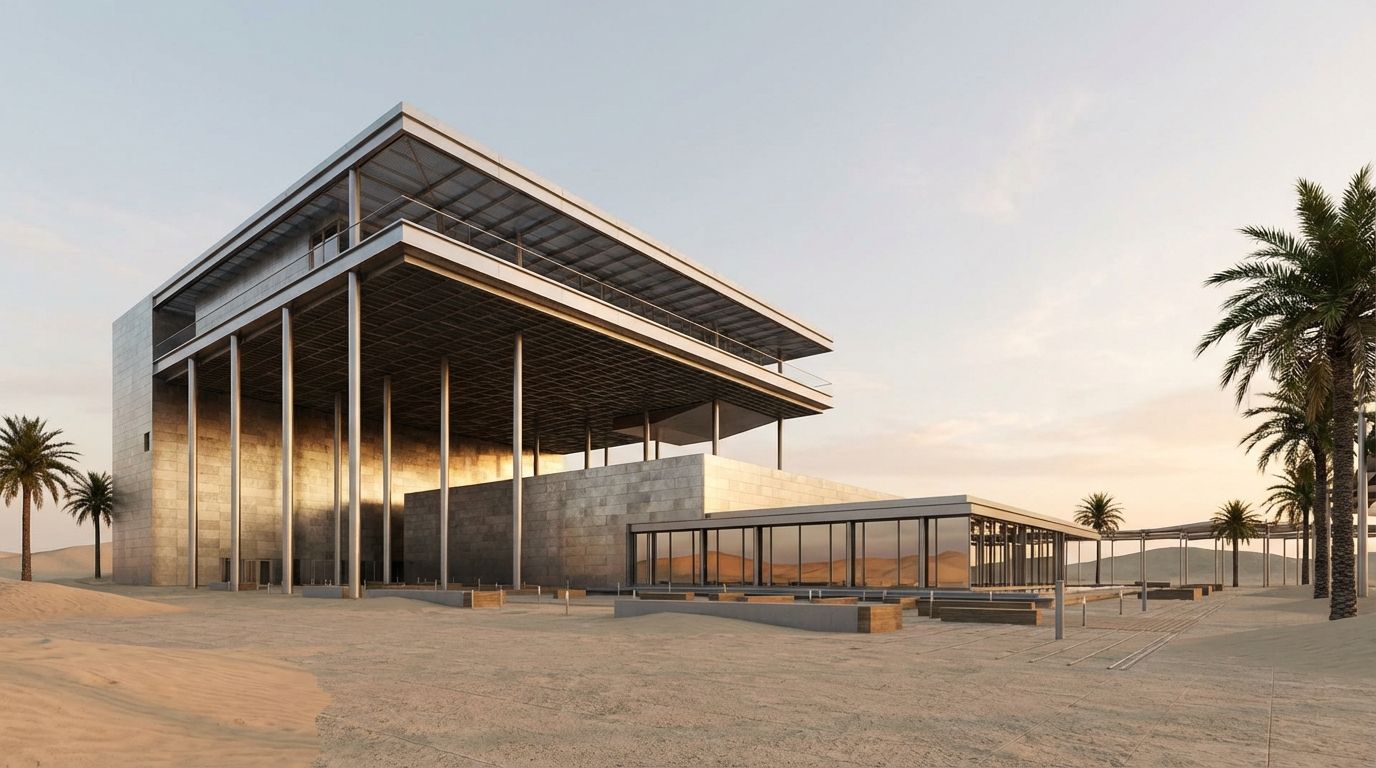
Initial image (Babel & Prado and Celnikier Grabli Architects)
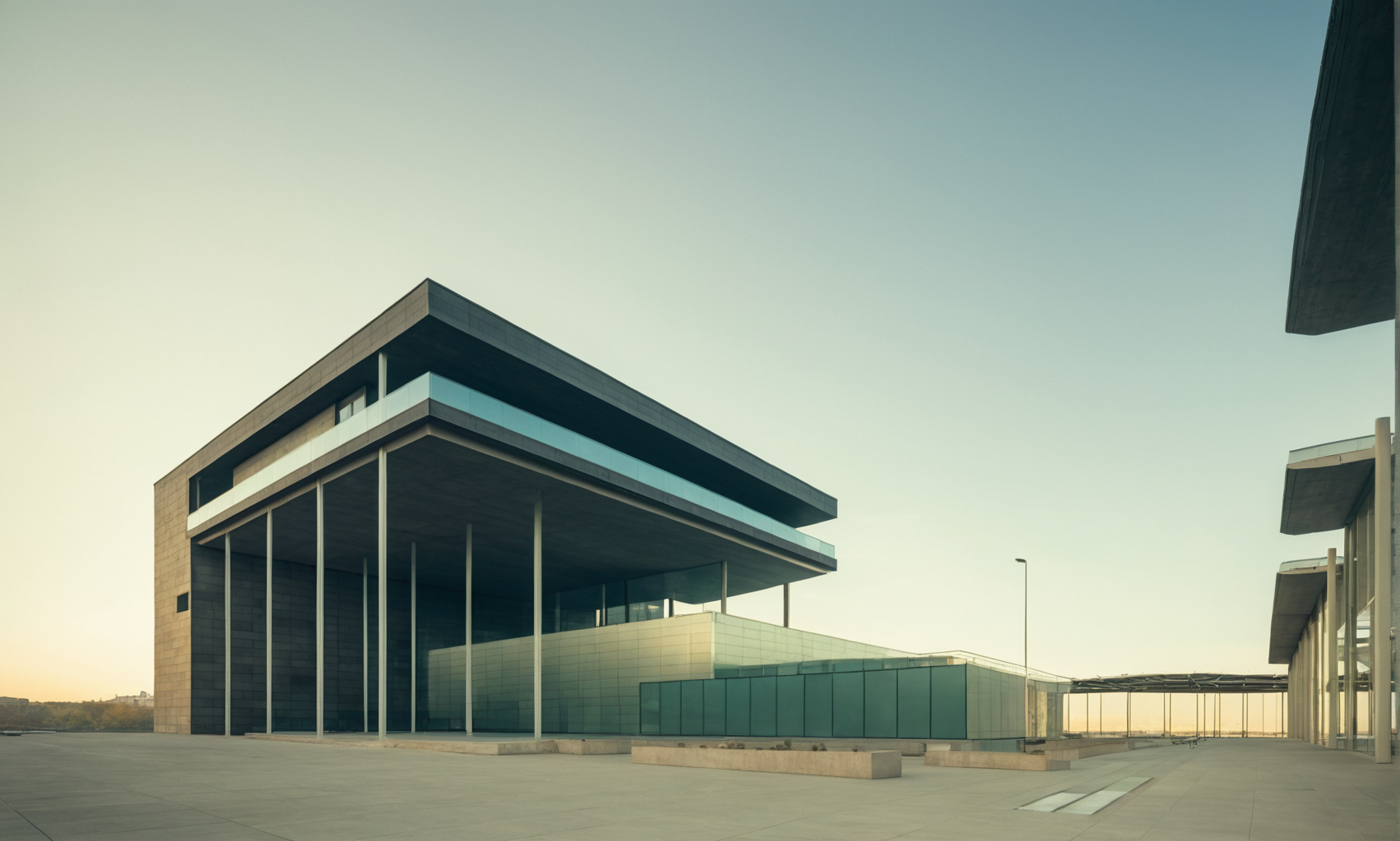
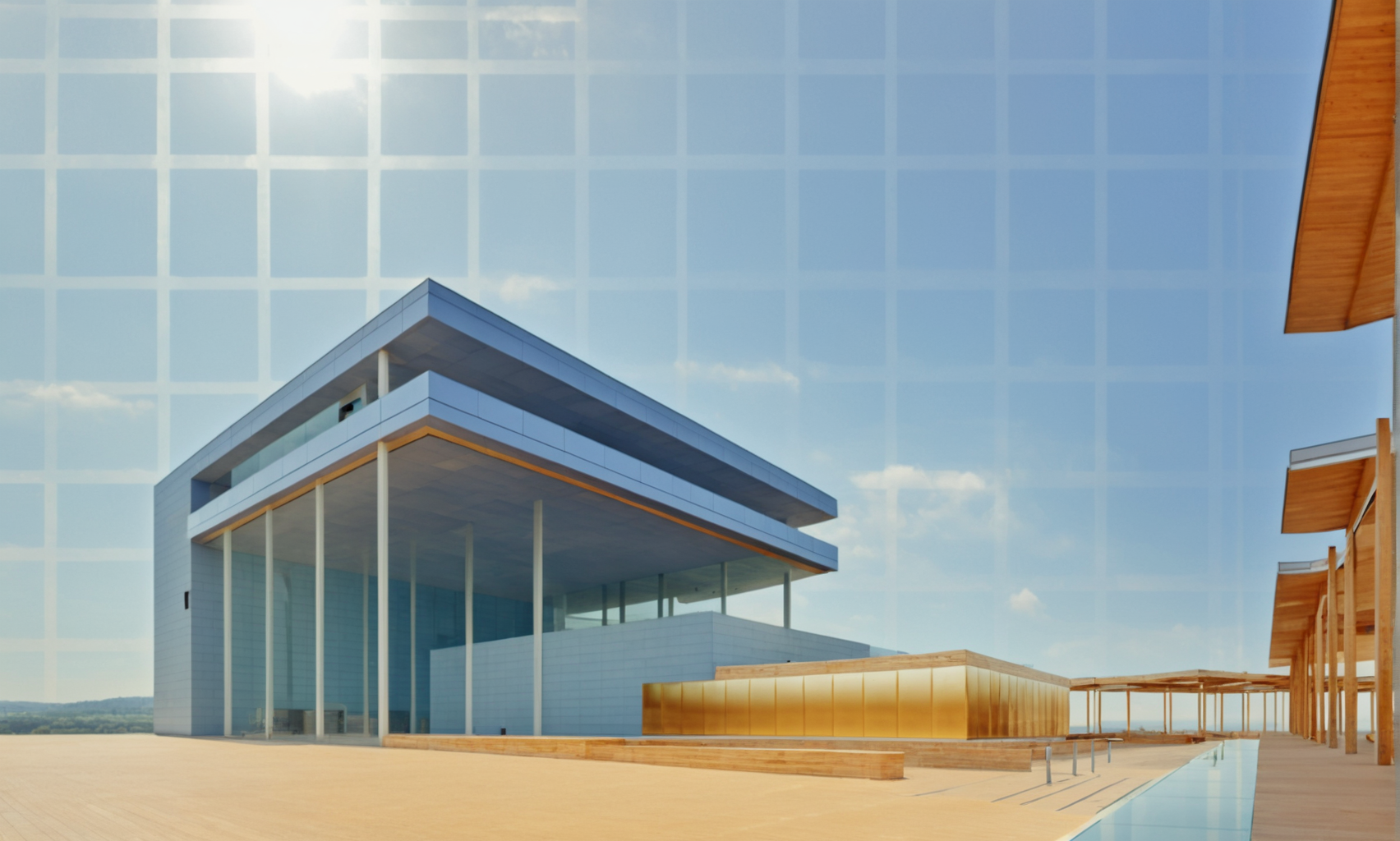
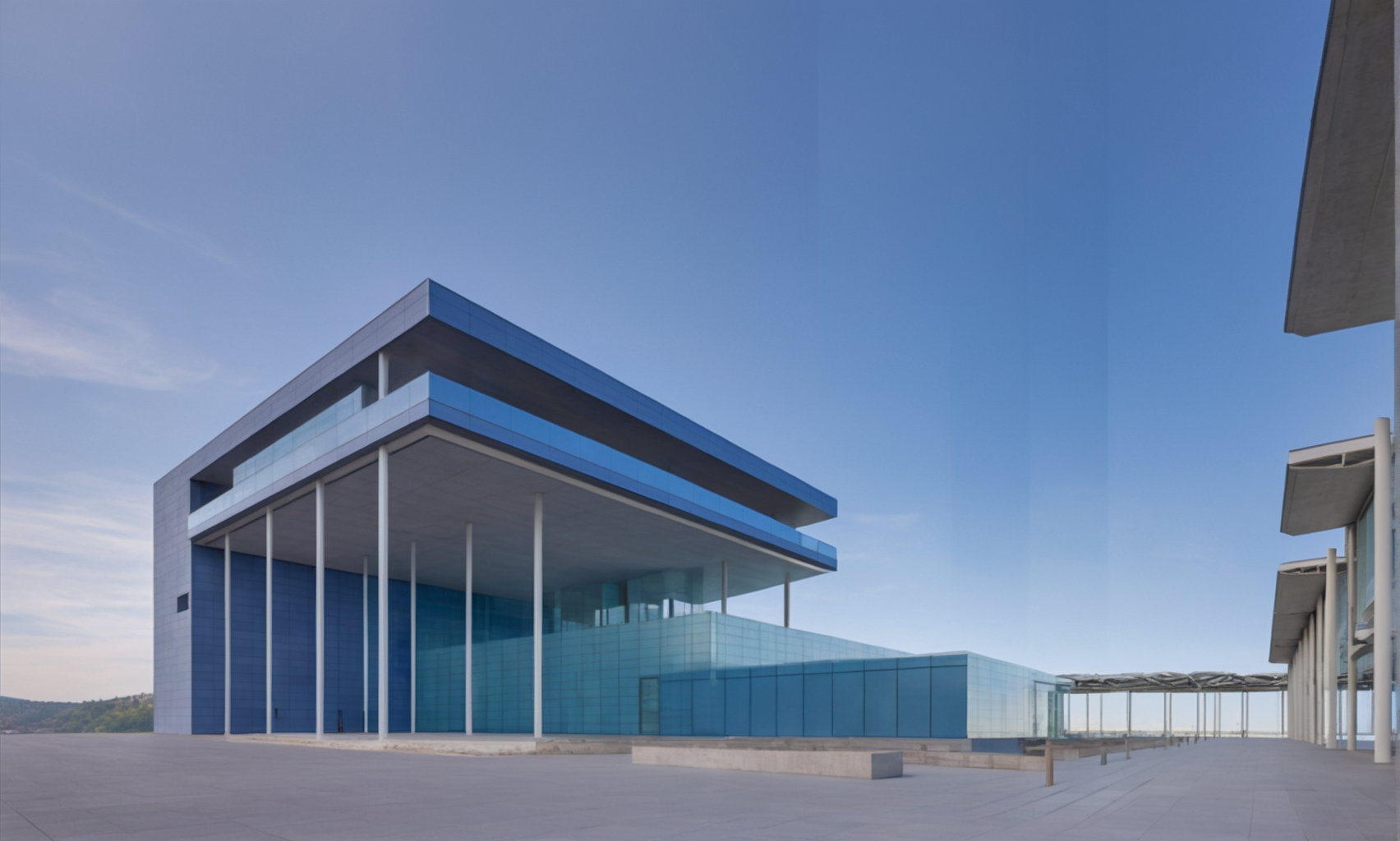
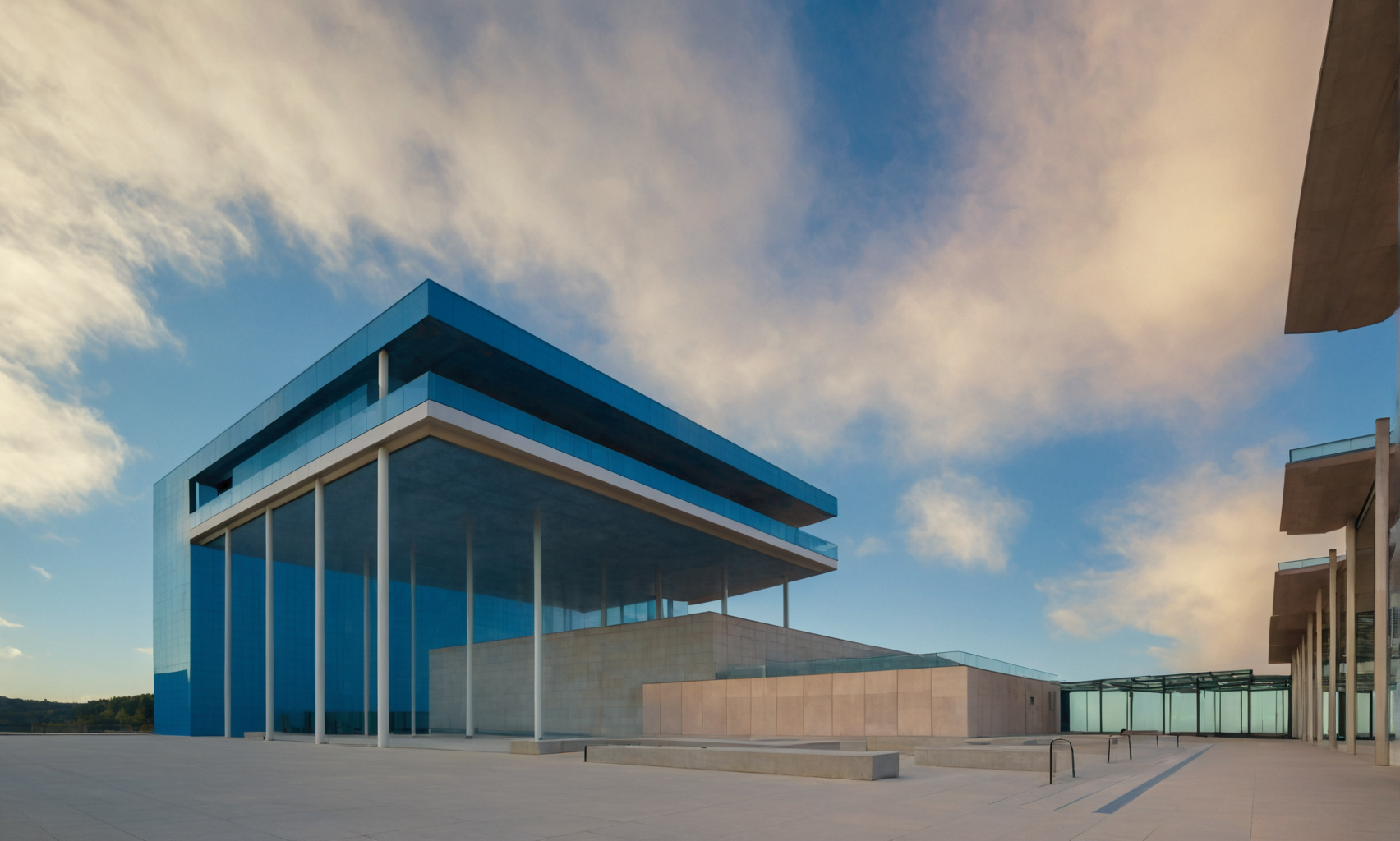
Ambiance suggestions created with Stable Diffusion
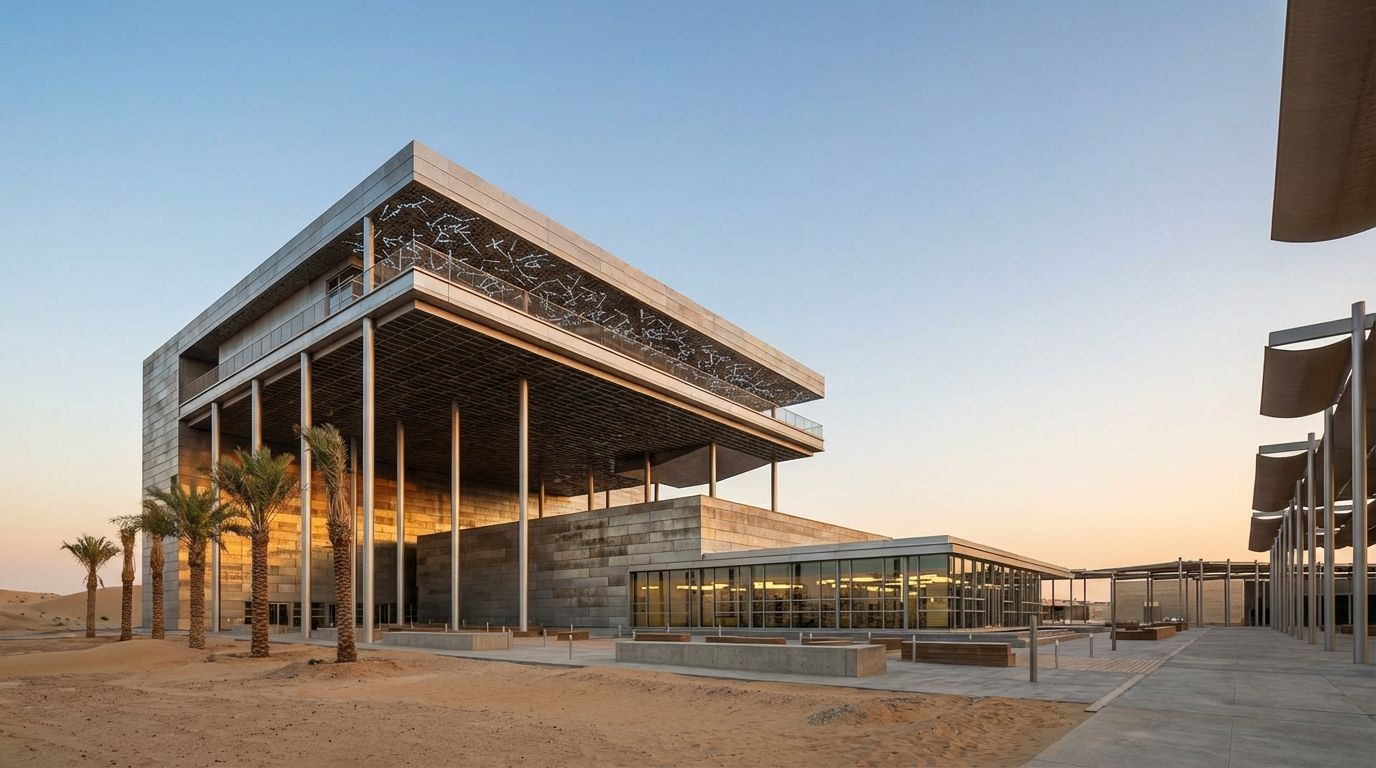
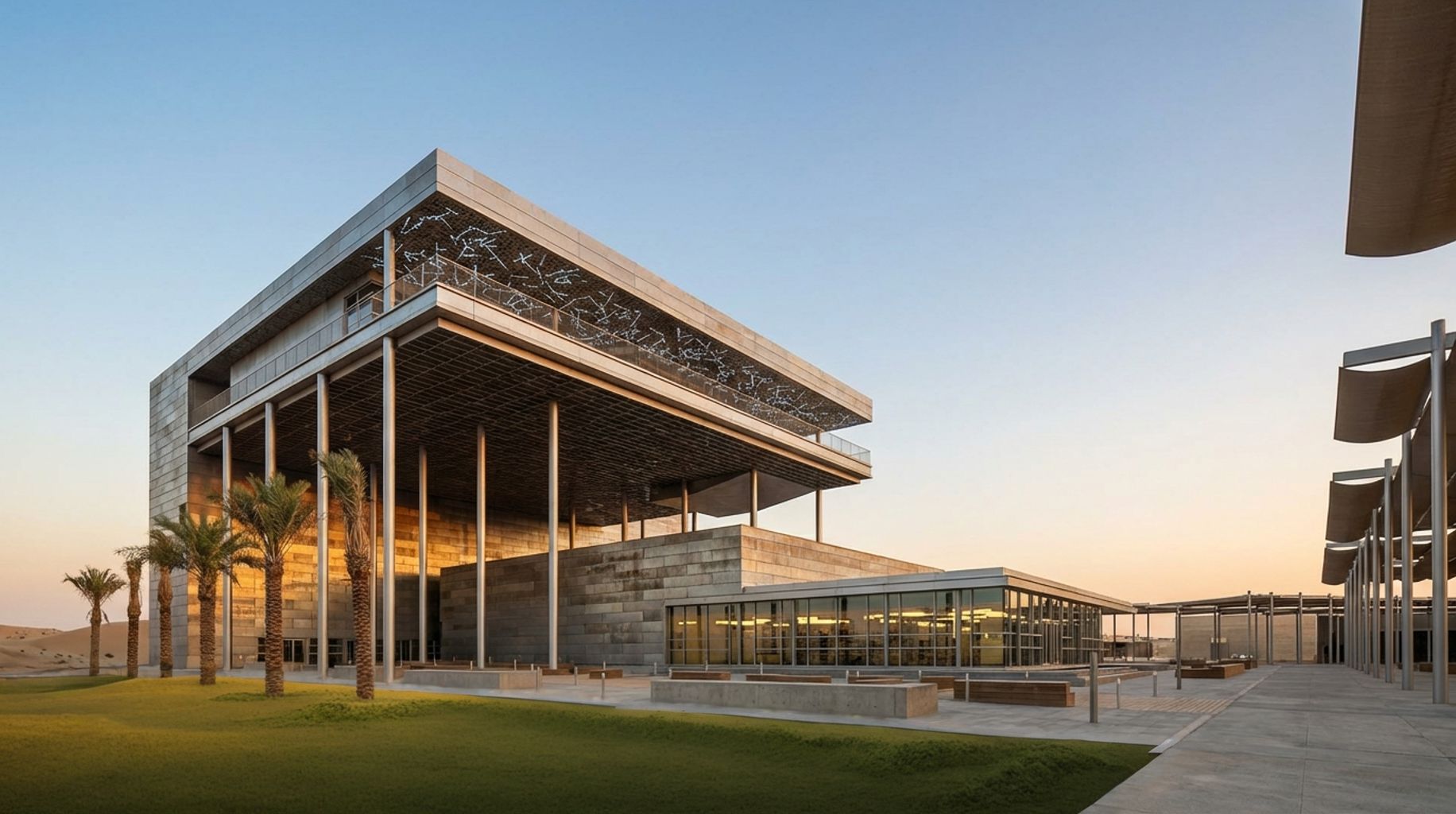
Images created with VISOID, modifying the foreground into mineral paving proves impossible.
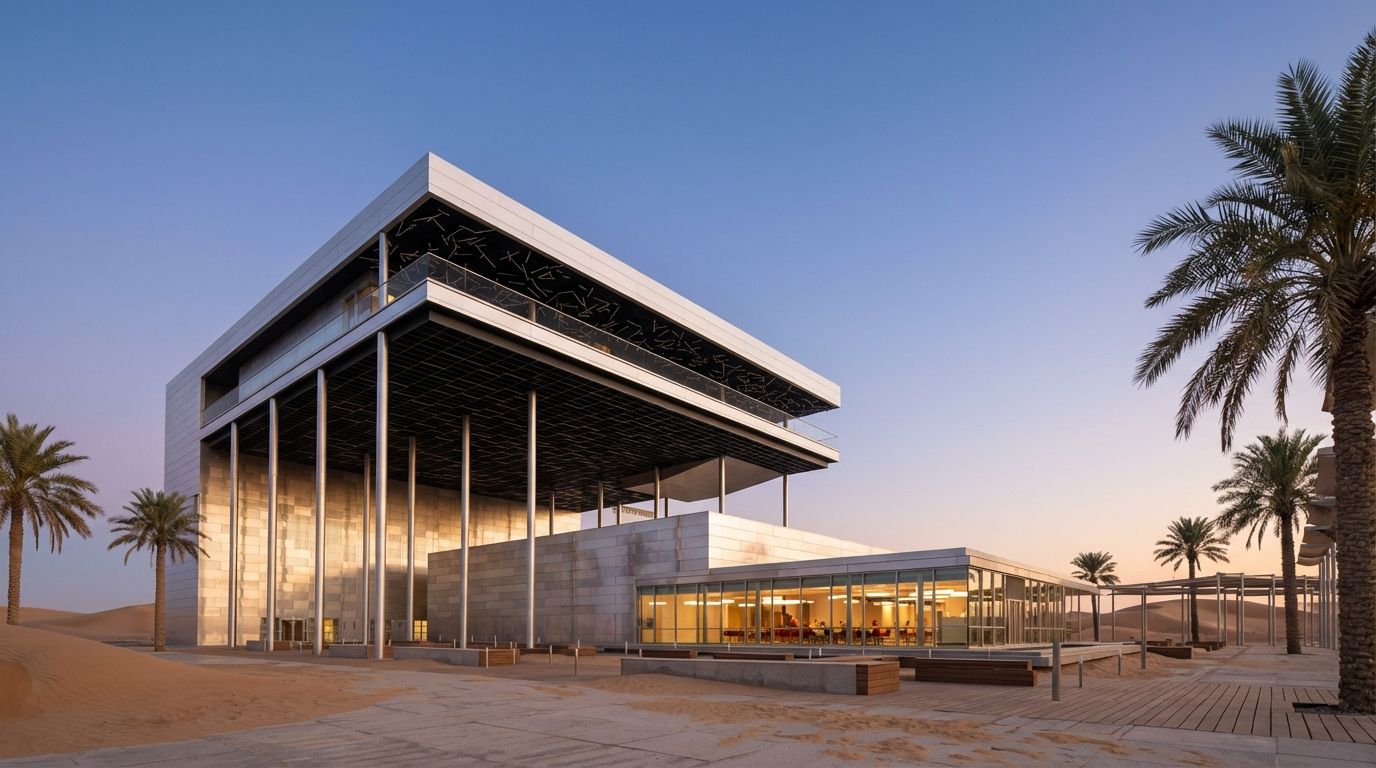
Images created with VISOID using references
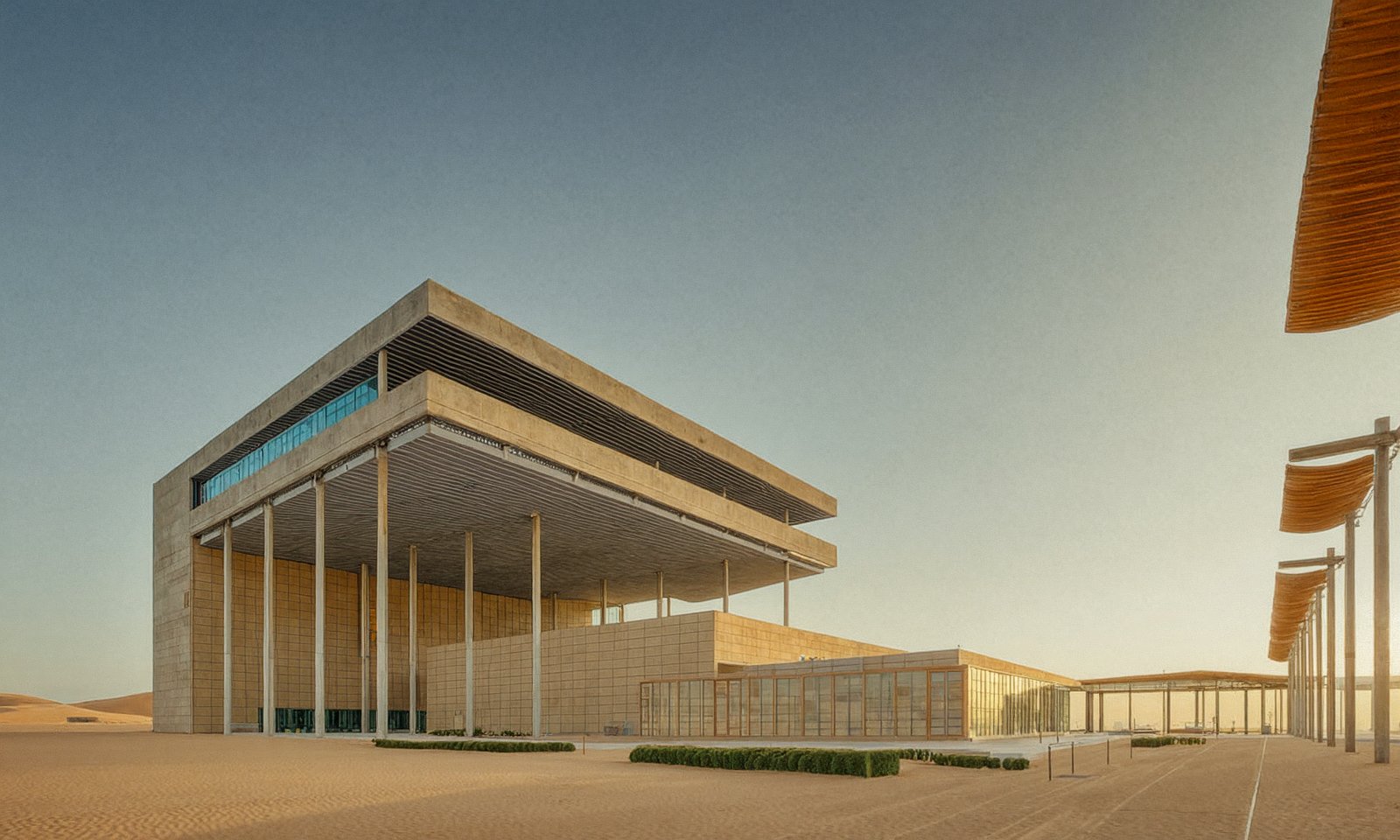
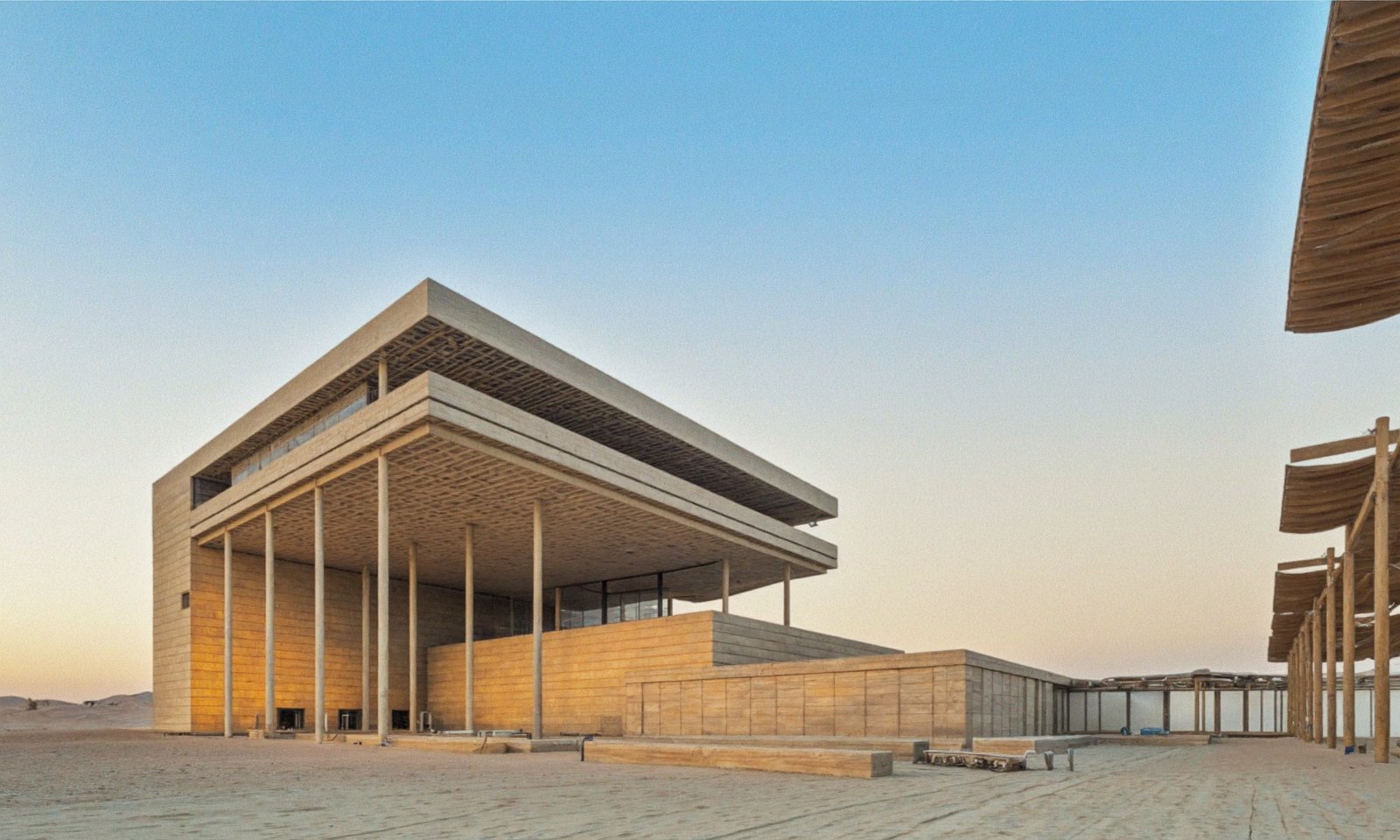
Images created with MAGNIFIC
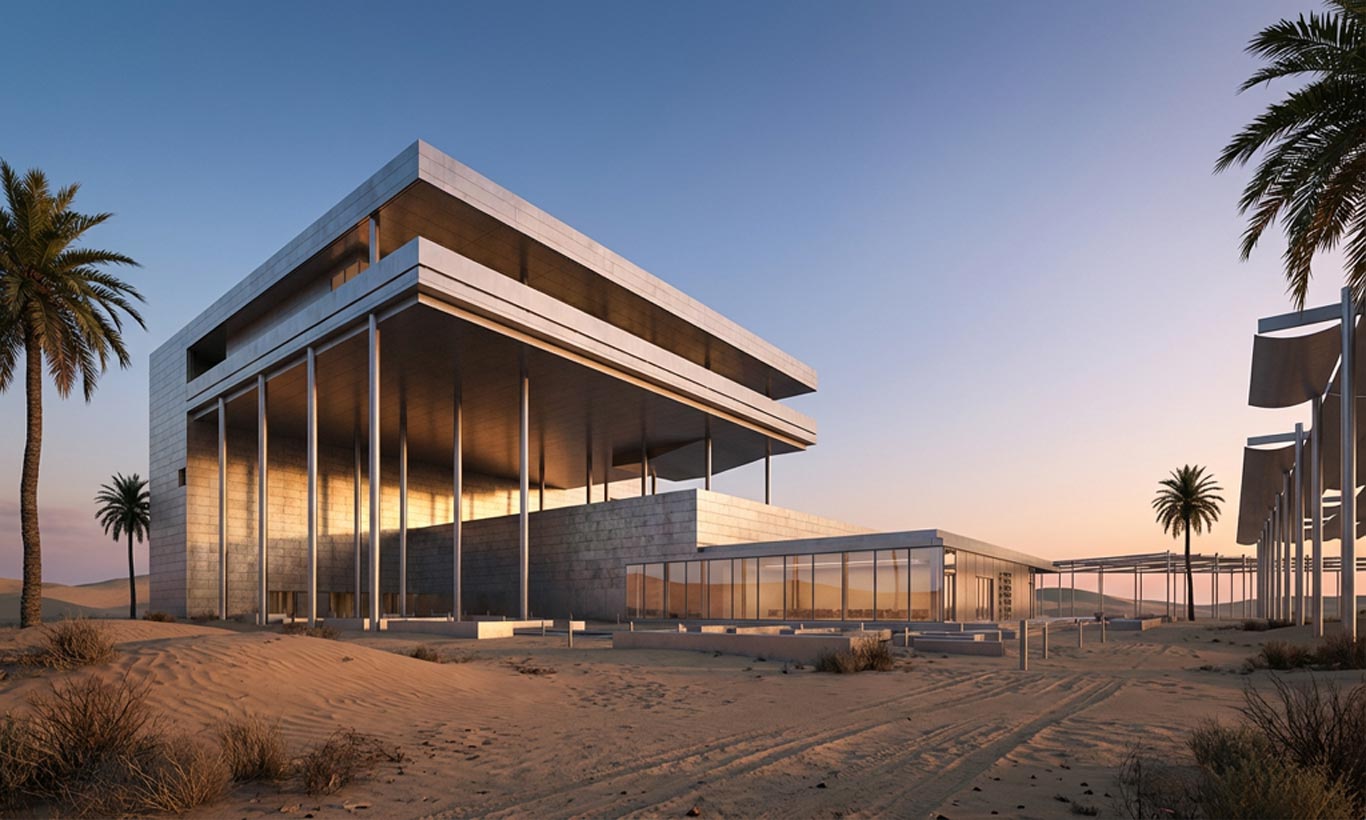
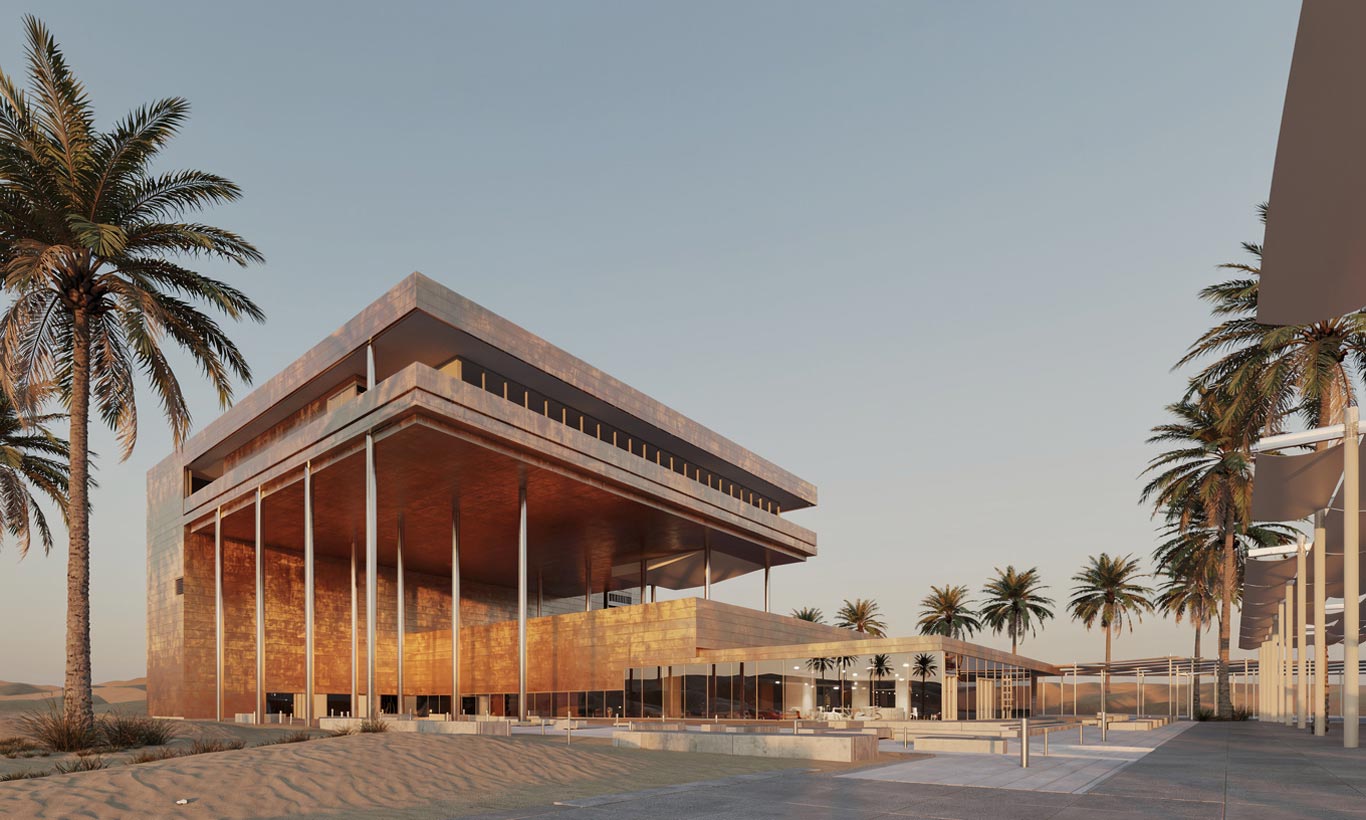
Image created with PHOTOSHOP using the Gemini 3 model
Image created with Photoshop using the Flux model
AI to improve realism
Tools like Magnific AI and Topaz allow you to enhance the detail of certain textures, improve the definition of details, and increase the resolution of an image, starting from a final or near-final image.
These tools are therefore used after rendering, once the model, viewpoint, lighting, and overall atmosphere of the image have been chosen and set up.
AI for characters and vegetation
These are probably the areas where the emergence of AI has been most decisive and significant. Character quality has been a topic of discussion for decades. Two schools of thought have clashed without ever truly imposing their respective viewpoints. On one side, there were the proponents of 2D characters, using photos integrated into Photoshop, for example, which offered a good level of realism but were dependent on the available photos, significantly impacting the integration and leading to recurring problems with lighting consistency, color accuracy, and so on.
On the other side were the proponents of 3D characters, which offered perfect integration in terms of lighting but a low level of realism.
In short, neither of these solutions was satisfactory.
Today, AI provides tools that allow either the integration of characters from scratch or the near-perfect enhancement of existing 3D and 2D characters in the rendering.
From my perspective, this is the most significant contribution of AI to visualization at present.
But AI will also allow for very convincing manipulation of vegetation, skies, and backgrounds.
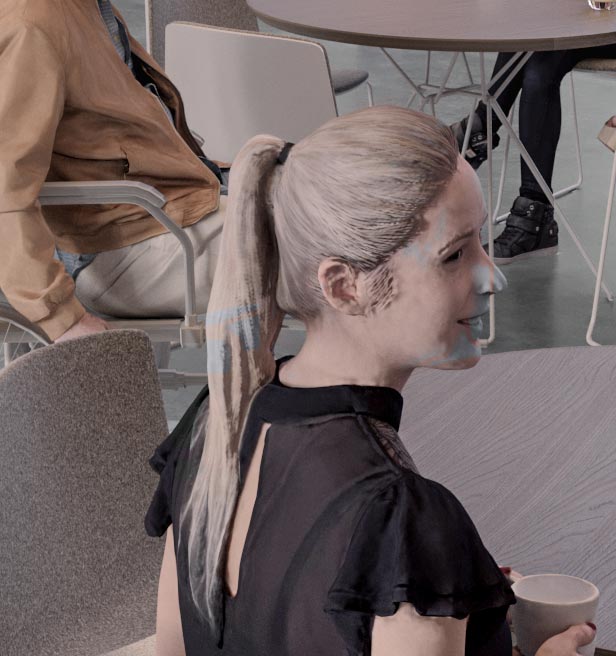
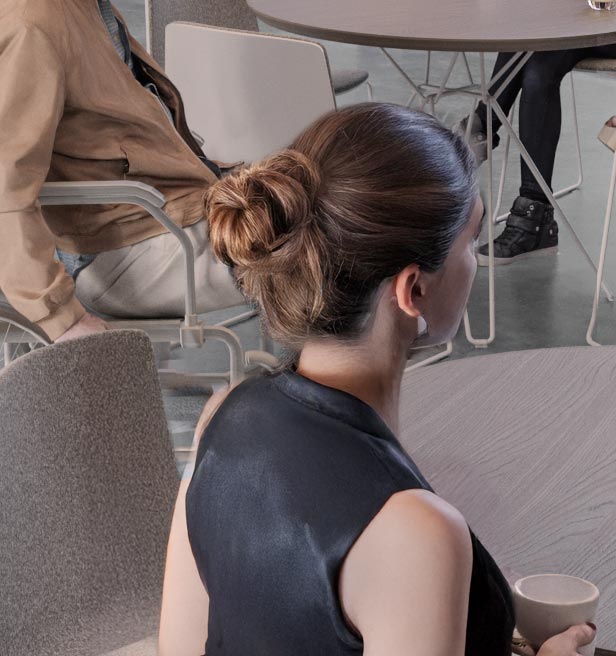
Starting image and final character enhanced by AI
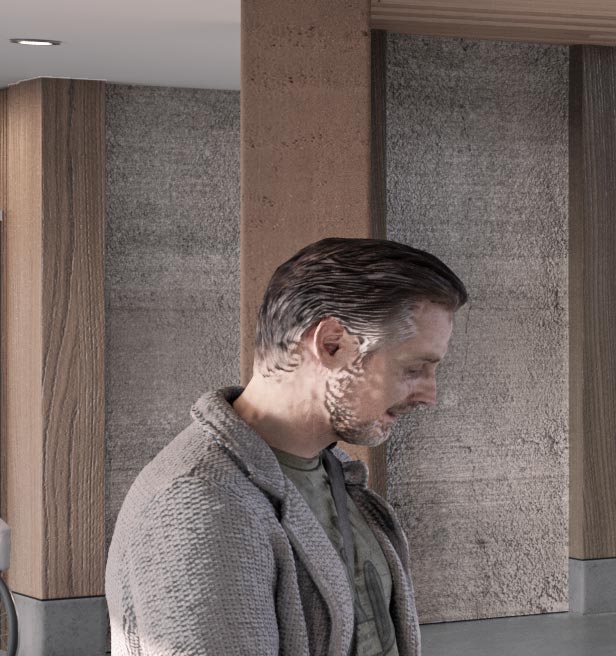

Starting image and final character enhanced by AI
Why AI Needs Perspective Artists
AI tools still have certain limitations and will struggle with the constraints inherent in design, the inherent logic of construction, and more generally, it’s not possible to simply give them a mission statement and expect a result.
A perspective artist guarantees the accuracy of your design, visual consistency across different viewpoints, and, most importantly, manages deadlines.
In short, AI provides extremely powerful tools, but they must be integrated into a structured workflow and guided by an experienced professional.
What this means for you architects
Graphic designers using AI will allow you to save time by reducing image creation times, they can offer you a wider choice of atmosphere and above all significantly improve certain aspects, including the characters.
AI is a tool, not a graphic designer
AI is changing architectural visualization, though not as much or as quickly as we might have thought a few years ago when the technologies first began to show results. The trend that is becoming increasingly clear is a hybrid approach using 3D, Photoshop, or other post-production software—in other words, a classic, even traditional, approach combined with various AI tools.
A perspective artist will therefore not simply deliver an image and illustrate your project; they will give you access to the best tools and processes to maximize your project’s chances of success.
So, if you would like to discuss how I can help with your next project, please feel free to contact me.